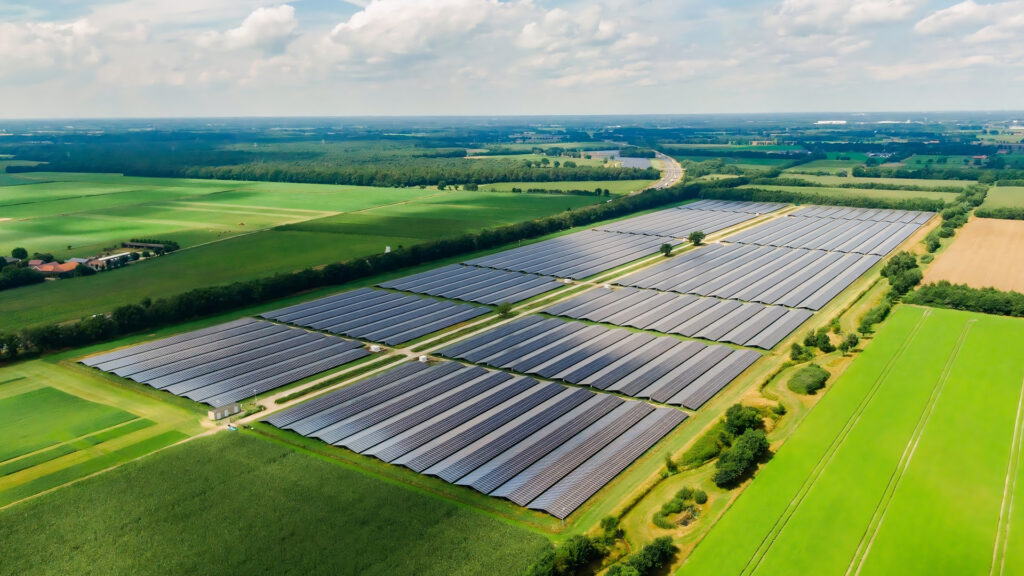
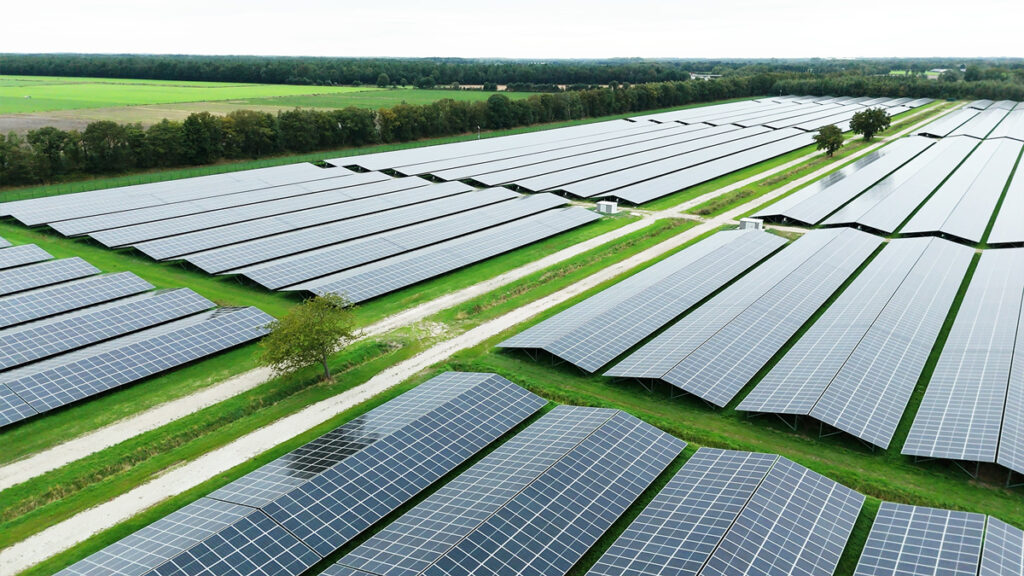
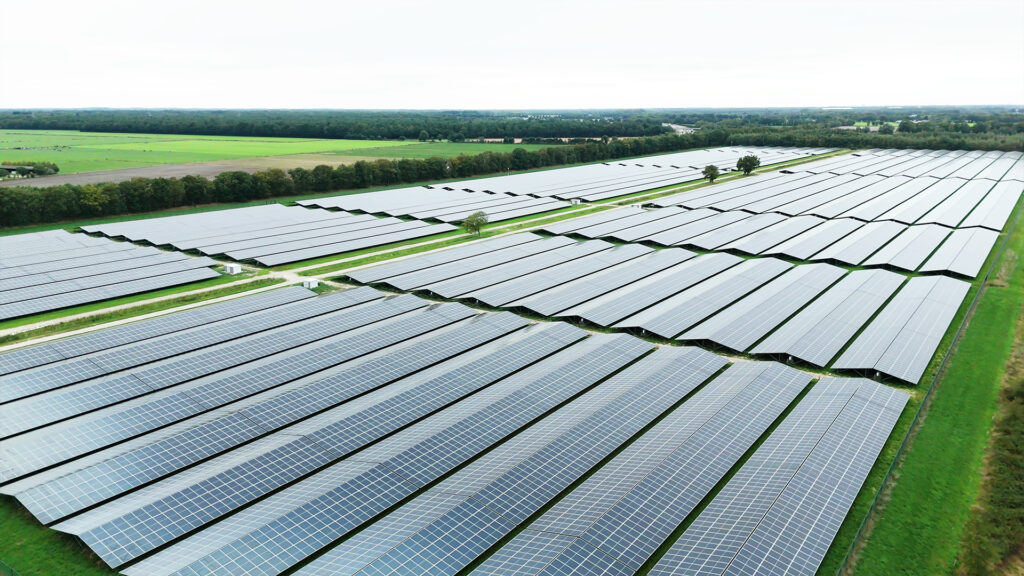
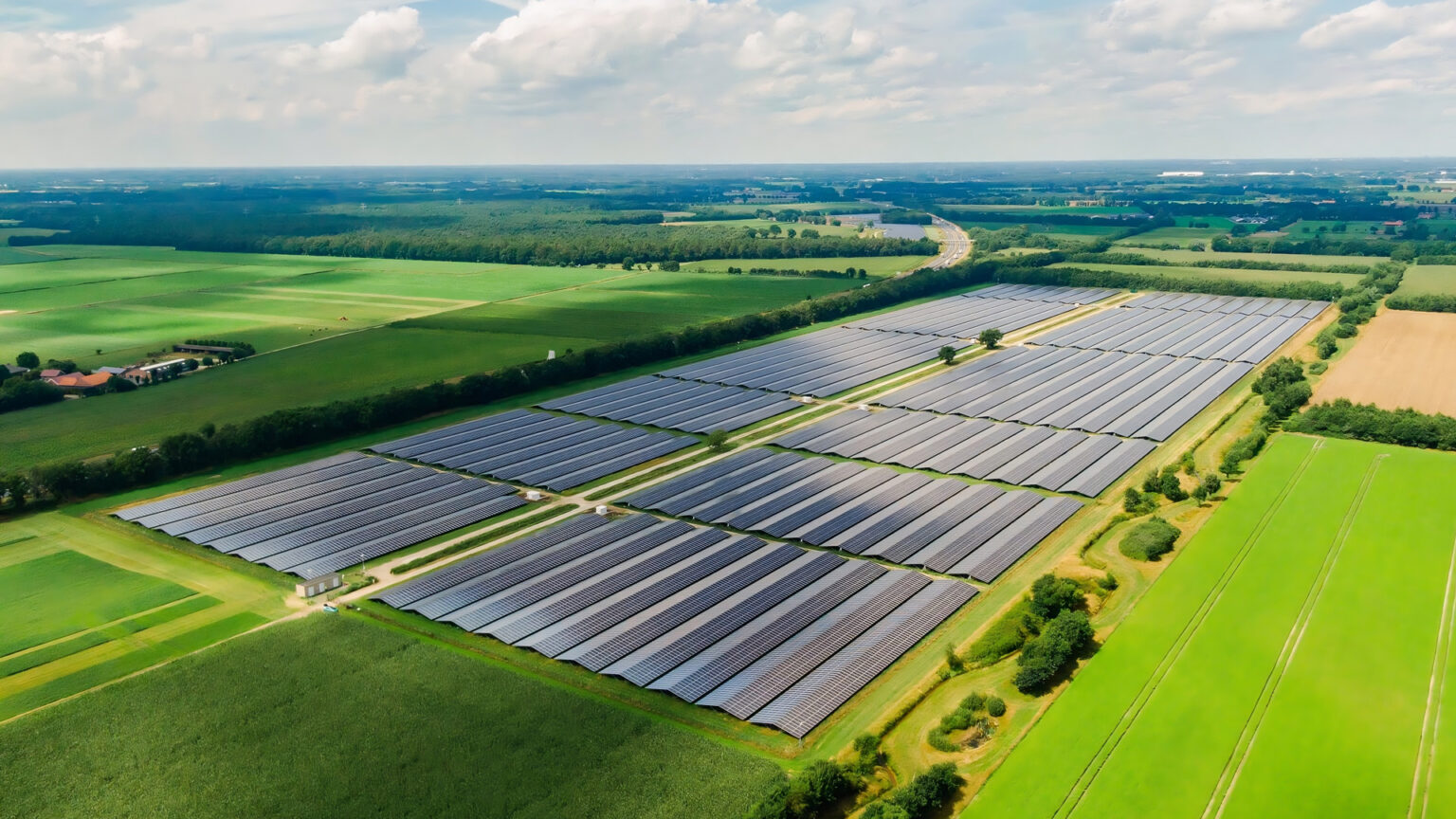
Boxmeer was one of the largest projects within the PowerField program, both in size and in execution. With a total capacity of 55 MW, the project required a different level of coordination, planning and on-site management.
Nevertheless, the project was already building on the experience gained in the previous projects. Ways of working were clearer, roles were better defined and expectations were aligned. That created a strong foundation, although the scale of the project still demanded constant attention to detail. Boxmeer shows what it takes to keep control when everything happens at once.
Boxmeer stood out from the other projects in the Powerfield program mainly because of its size. With 55 MW spread across two separate sites, there was simply more happening at the same time: more people, more equipment and more moving parts to coordinate. The two sites also needed to be connected through a cable route of several kilometres, adding another layer to the project setup.
Alongside that scale, the project faced several on-site challenges during execution. In one instance, ground works hit a water pipe, flooding part of the site and requiring immediate repair to keep work moving. In another, a previously unknown military gas pipeline was discovered, forcing parts of the design to be reconsidered during construction.
With multiple teams working in parallel across both sites, the challenge was not just to resolve these situations, but to do so without disrupting the overall progress of the project.
1
Two-site coordination
Managing 55 MW across two separate project areas, connected by a 3.5 km cable route.
2
Multiple workstreams at once
Coordinating people, equipment, design, procurement and construction while maintaining a high execution pace.
3
Unexpected underground risks
Responding quickly to a damaged water pipe and a previously unknown military gas pipeline.
4
Progress under pressure
Keeping both sites moving without allowing local issues to disrupt the overall timeline.
One of the key decisions in the project was how the work was structured. Design, procurement and construction were not approached as separate phases, but ran in parallel. This helped maintain a high pace, while also requiring close coordination between teams.
This approach was tested when the scope changed during execution. A late client request required the connection of another solar park to Boxmeer, which directly impacted the design and component planning. Rather than slowing down, the team adjusted the design and managed critical components, such as transformers with long lead times, within the existing timeline.
One of the key decisions in the project was how the work was structured. Design, procurement and construction were not approached as separate phases, but ran in parallel. This helped maintain a high pace, while also requiring close coordination between teams.
This approach was tested when the scope changed during execution. A late client request required the connection of another solar park to Boxmeer, which directly impacted the design and component planning. Rather than slowing down, the team adjusted the design and managed critical components, such as transformers with long lead times, within the existing timeline.
Boxmeer was delivered at a steady pace of around 2 MW per week, with construction completed within the planned timeframe. Grid connection followed shortly after, in line with external planning. Even as the project evolved during execution, the overall timeline remained intact, with design changes, coordination across two sites and long lead-time components managed without affecting the pace of delivery.
That meant the client could rely on a project that continued to move forward in a structured and predictable way. Large-scale projects rarely follow a perfectly straight line. Here, progress remained consistent throughout.