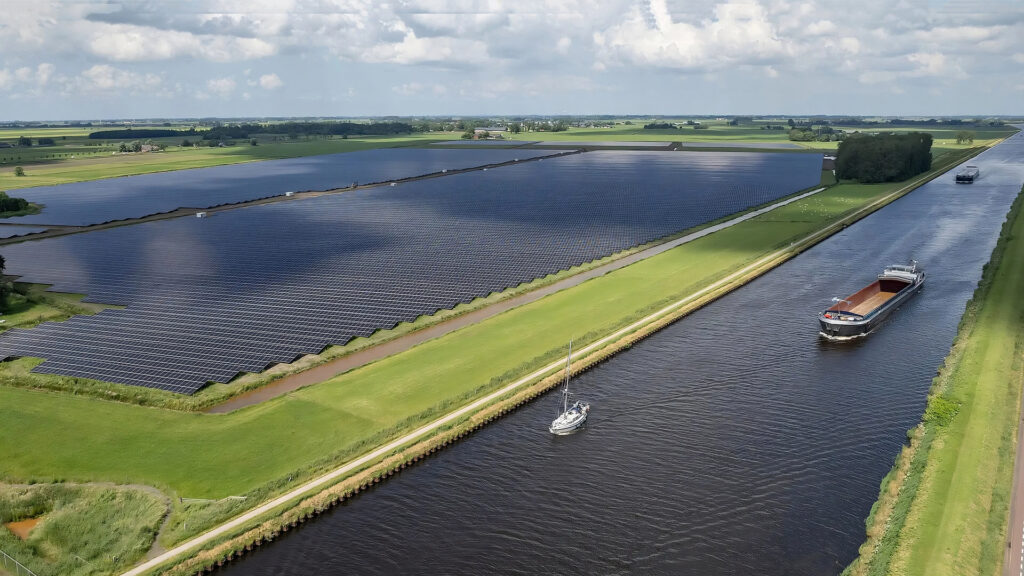
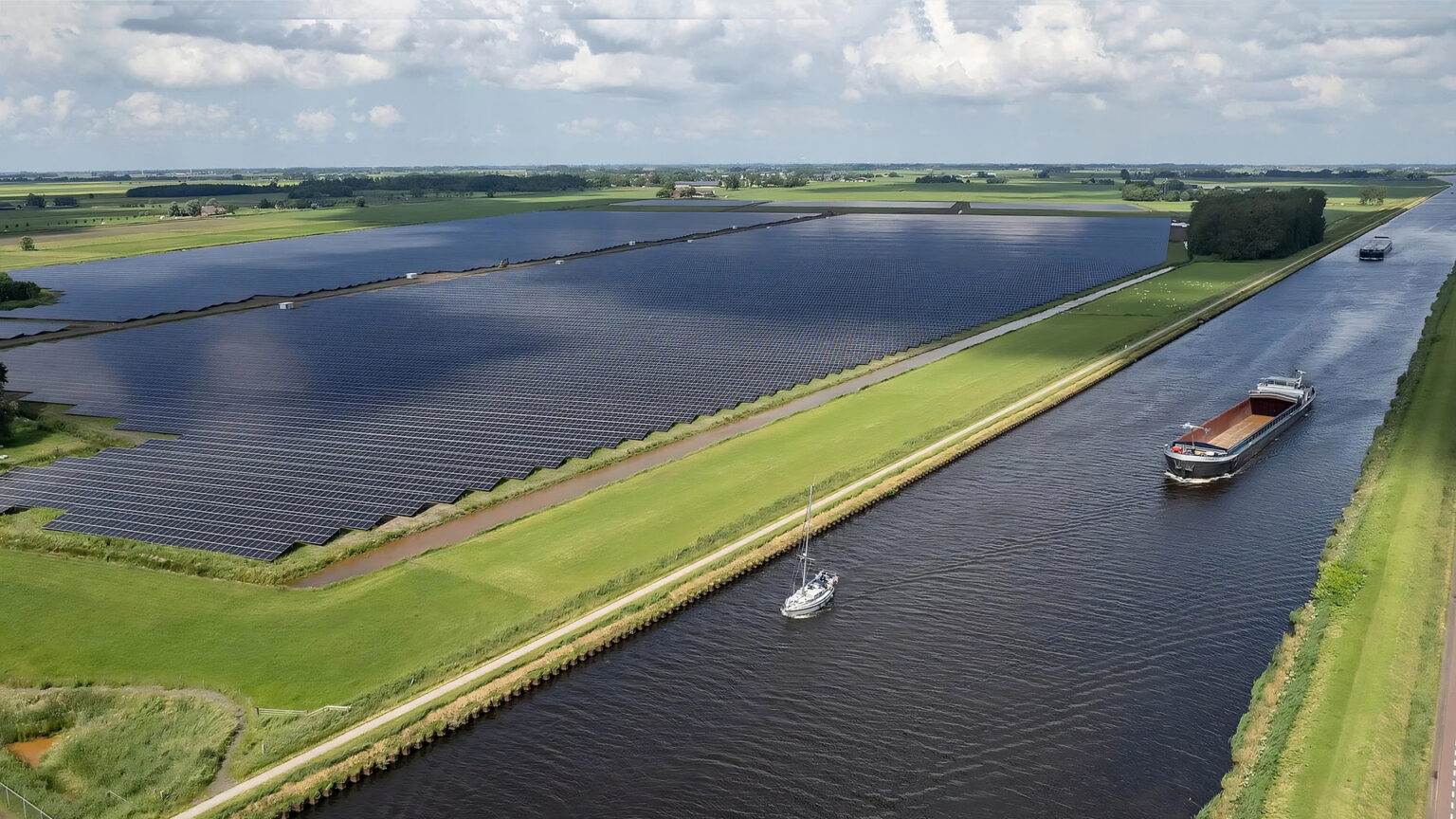
Fledderbosch marked a different kind of project for Ecorus. Developed over several years and brought to market as a fully permitted solar park, it was sold to an investor and realised under an EPC contract. With a total capacity of 104 MW, it is the largest single solar park delivered by the company.
The project combined multiple layers of complexity. Its size alone called for a different way of working, both in engineering and on site. In addition, a wide range of stakeholders, logistical challenges and a design including nature-inclusive elements, all played a role in shaping the project.
Fledderbosch was carried out at a scale that required a different way of working. With over 100 MW of installed capacity and a large site area, the project brought together a wide range of activities that had to be coordinated at the same time. Engineering, civil works, logistics and on-site execution all had to operate at a level that went beyond previous projects.
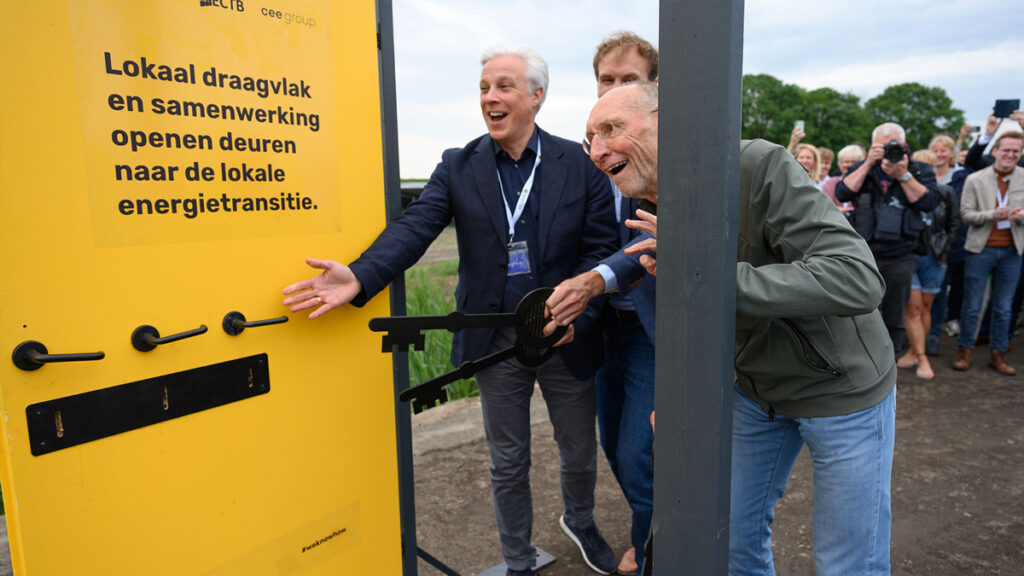
This also meant that a large number of stakeholders were involved. Landowners, local communities and various infrastructure parties all had their own requirements and constraints. Factors such as existing cable routes, water systems and gas and oil pipelines needed to be taken into account, resulting in a complex design and coordination process.
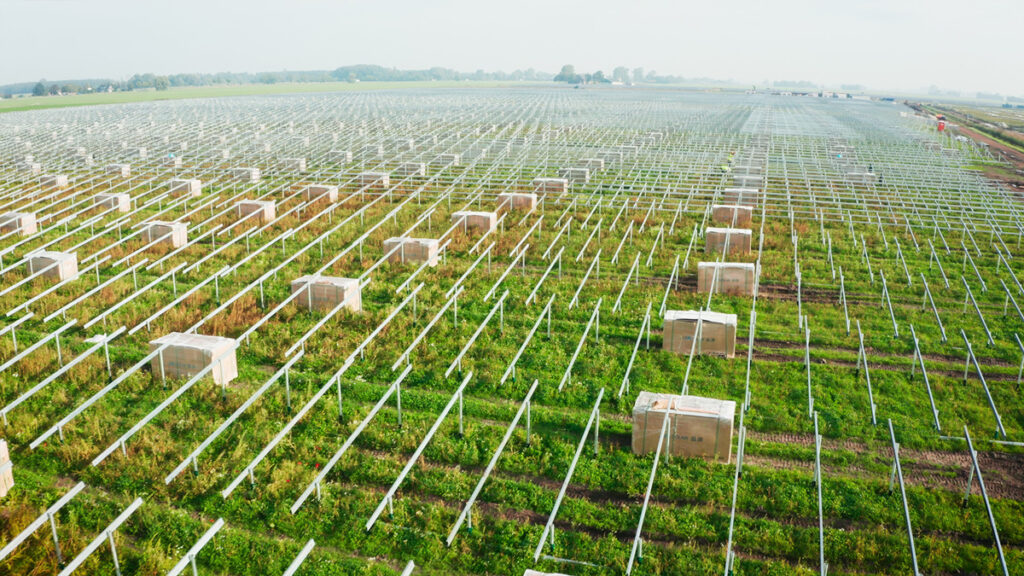
Another challenge was the scale of the site, which came with logistical challenges. Transporting and distributing materials across the area required careful planning, especially given the limited ground conditions for heavy transport. The size of the site and the number of activities made it increasingly difficult to maintain a clear overview during execution.
1
Utility-scale coordination
Managing over 100 MW of engineering, civil works, logistics and on-site execution at the same time.
2
Complex stakeholder environment
Aligning landowners, local communities and infrastructure parties with different requirements and constraints.
3
Infrastructure constraints
Designing around existing cable routes, water systems and gas and oil pipelines.
4
Large-site logistics
Transporting and distributing materials across a large site with limited conditions for heavy transport.
One of the key decisions in the project was about how to organise the work at this scale. The structure that worked for smaller projects was no longer sufficient, leading to an expansion of roles, responsibilities and team capacity across engineering, project and site management. This enabled the team to keep workstreams aligned and avoid delays between activities.
Another important decision was about how to make optimal use of the available space. During the engineering phase, the design was further refined to increase capacity within the same footprint. It required careful coordination between design and execution, to make sure that the project remained buildable while maximising output.
One of the key decisions in the project was about how to organise the work at this scale. The structure that worked for smaller projects was no longer sufficient, leading to an expansion of roles, responsibilities and team capacity across engineering, project and site management. This enabled the team to keep workstreams aligned and avoid delays between activities.
Another important decision was about how to make optimal use of the available space. During the engineering phase, the design was further refined to increase capacity within the same footprint. It required careful coordination between design and execution, to make sure that the project remained buildable while maximising output.
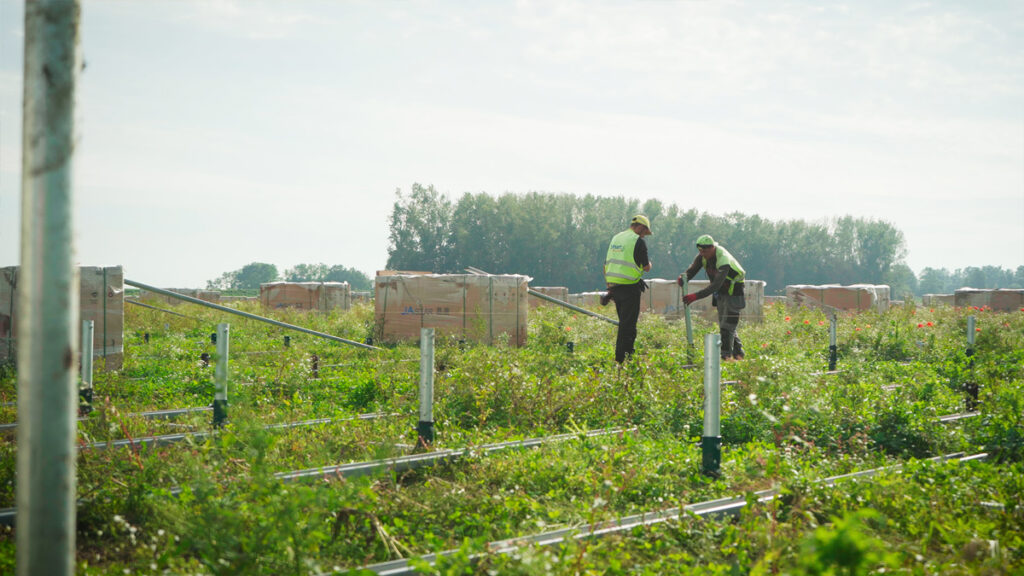
Although the project faced challenges in the early stages, progress accelerated significantly as construction advanced. This shift was driven by a more structured and hands-on approach to execution: the team introduced clear daily targets, broke down activities into more detailed work packages, and strengthened on-site coordination by expanding both the subcontractor and project management teams. Responsibilities were more clearly defined, and planning was translated into concrete, actionable agreements on a day-to-day basis.
Despite more difficult conditions later in the process, including the winter period, Fledderbosch was ultimately completed one month ahead of the contractual deadline. This way of working created a strong turnaround, resulting in a head start and a fully operational solar park of 104 MW well on time.
For the client, this meant a project that was not only realised as designed, but also ready to perform from day one. Nature-inclusive elements were successfully integrated, allowing the park to contribute to its surroundings alongside energy generation.