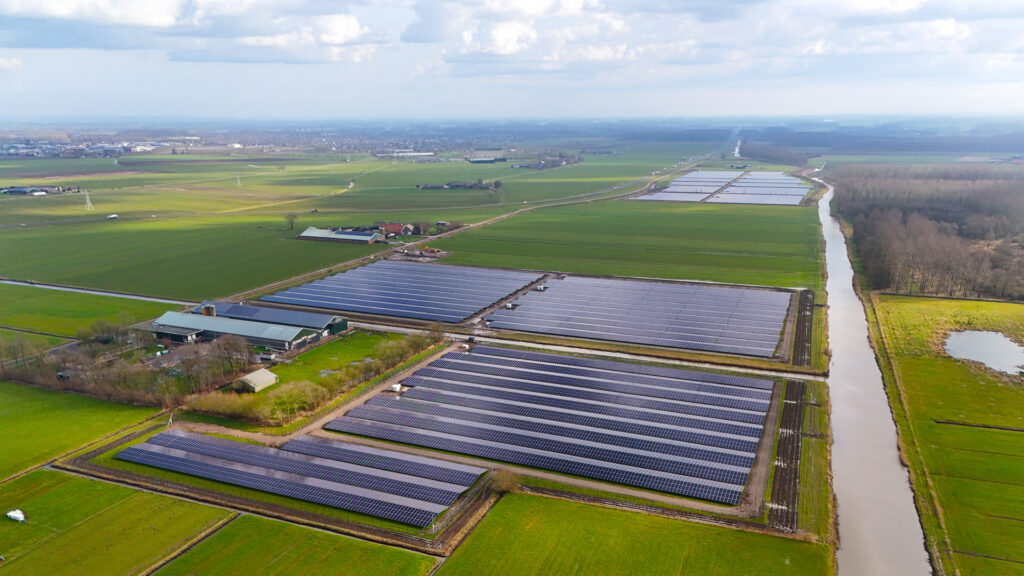
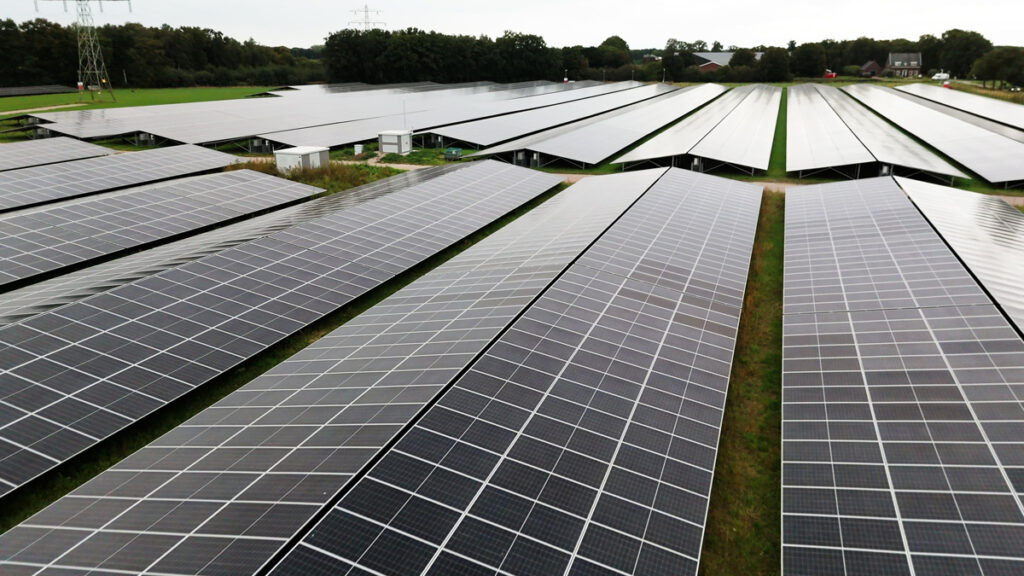
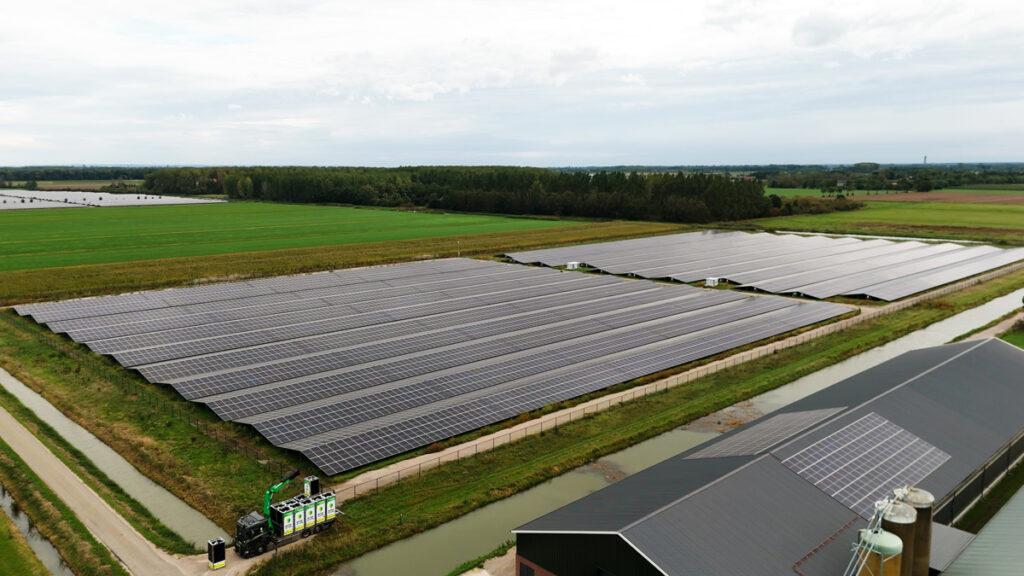
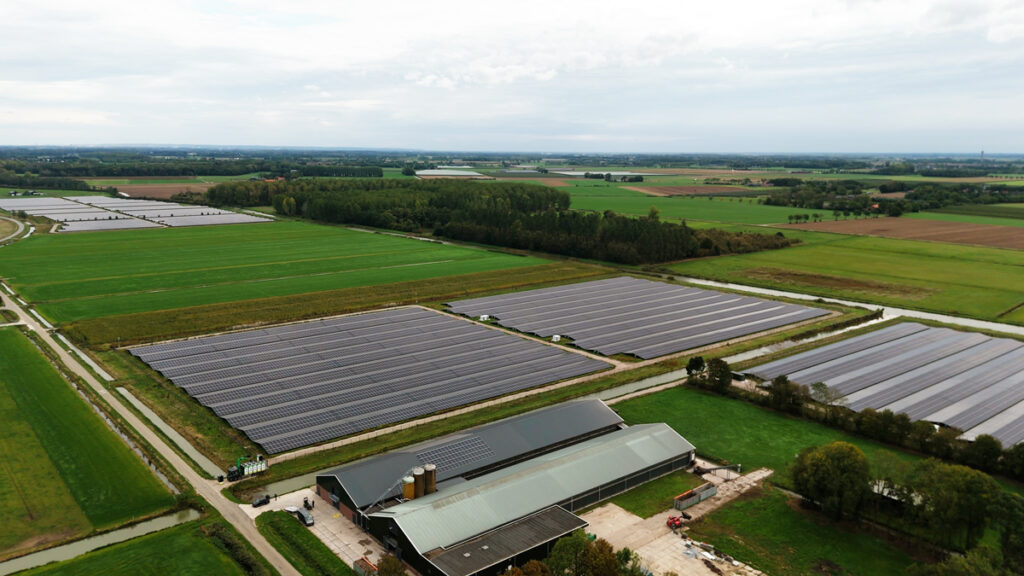
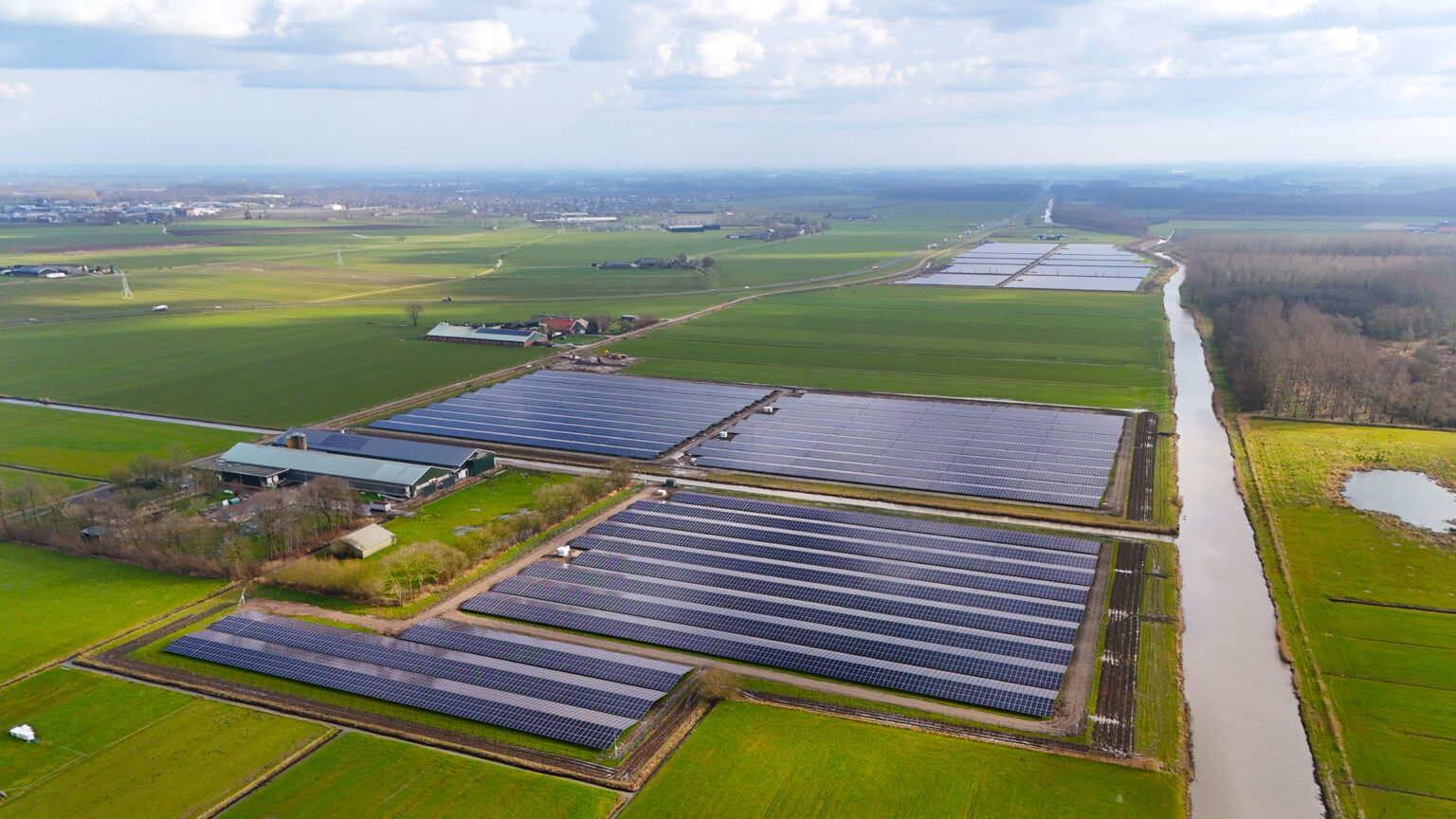
The first PowerField programme project, where clay-heavy soil, winter conditions and evolving team structures became the foundation for more controlled execution.
Building under demanding site conditions in Zevent
Zevent was the first project in a broader programme delivered for PowerField. As such, it brought together a range of factors that would later become more familiar: complex site conditions, seasonal constraints and coordination across multiple teams. Rather than being defined by a single challenge, the project was shaped by how these factors came together in practice. It provided a clearer understanding of how planning translates to execution and what is needed to keep a project moving under real conditions.
Several factors of project Zevent required a high degree of adaptability during execution. Site conditions played a major role. The ground consisted largely of clay with high groundwater levels which, combined with heavy rainfall at the end of 2024, resulted in persistently wet and unstable working conditions. At the same time, the project was divided across two separate areas. While not uncommon, this added an extra layer of logistical coordination in terms of planning, material distribution and team alignment.
Seasonal conditions further influenced the pace of construction. As the project progressed into autumn and winter, shorter daylight hours and lower temperatures naturally impacted productivity on site. For example, activities such as cable installation took longer than anticipated. Meanwhile, the project setup itself was still evolving. Teams were coming together and ways of working were being aligned in practice, both internally and with the client.
1
Unstable ground conditions
Building on clay-heavy soil with high groundwater levels and persistent wet working conditions.
2
Two separate site areas
Coordinating logistics, material distribution and team alignment across a divided project layout.
3
Winter productivity pressure
Managing shorter daylight, lower temperatures and slower activities such as cable installation.
4
Evolving project setup
Aligning teams, subcontractors and client expectations while execution was already underway.
Despite the complexity on site, the engineering design itself remained stable. The layout and technical setup were delivered largely as planned, providing a solid foundation for execution. The focus therefore shifted to coordination and day-to-day decision-making on site.
Adjustments were made continuously to keep progress moving, with practical solutions to maintain momentum. Temporary steel road plates, for example, were used to create reliable access routes across the muddy terrain, allowing equipment and teams to operate where standard access would not have been possible.
Despite the complexity on site, the engineering design itself remained stable. The layout and technical setup were delivered largely as planned, providing a solid foundation for execution. The focus therefore shifted to coordination and day-to-day decision-making on site.
Adjustments were made continuously to keep progress moving, with practical solutions to maintain momentum. Temporary steel road plates, for example, were used to create reliable access routes across the muddy terrain, allowing equipment and teams to operate where standard access would not have been possible.
Zevent was completed within the contractual timeline and provided valuable insights that directly influenced how subsequent projects were approached. These learnings were not theoretical, but applied immediately in the projects that followed. This leads to more predictable execution, fewer adjustments during construction and stronger overall performance.